Minoan and Etruscan Collection
"The best work is not what is most difficult for you; it is what you do best" - Jean-Paul Satre
In this section 44 pieces of Minoan and Etruscan studies were recreated on stone or marble surfaces with oils to replicate the ancient method of painting directly onto drying plaster.
Between 1650 and 1400 BCE, the effects of an earthquake brought the Minoan civilisation to an end, so that much of what we know about them today is from what was found preserved by ash in Santorini or buried fragments in Crete. It appears Minoans had a different understanding of their external world than we generally hold today, in that their culture was not only highly civilised, but encouraged a sense of 'best' from all of its people. By painting on public buildings frescoes of both men and women equally contributing, they affected a unified sense of self belief.
Similarly, the Etruscans painted scenes of celebration in their tombs, symbolising a harmonious balance which they believed continued in their death as it had in their lives.
Showing smiling sculpted lifelike portraits of the deceased reclining on couches, as if attending a forever lively banquet in the afterlife, the joy of being, for them, never ceased to exist.
Advanced Diploma in Life Coaching (Distinction), Gwynfyd-Thinking Teacher, Writer (Amazon Books) and Symbolist Artist

ibex paired

the piper

minoan lady

night swallows

bull dancers

golden saffron gatherer

camp stools

woman with flowers

lady in blue 5

lady with pyxis

leaping girl bull catcher

saffron collector

swallows

the three queens

mycenaean lady

Incense carrier

fisherboy

bull dancer red

lily swallow

lady bull dancer

minoan boxing girl and boy

amber saffron gatherer

cup bearer

prince of lilies

lily swallow 2

flying dolphins

dancers

Woman with earring

blue lilies

sailing vessel
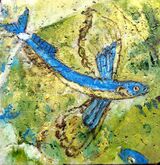
flying fish

the blue cat tale

minoan double axe (the labrys)

etruscan dancers

procession

Minoan Swallow Solo

the blue bird

lady musicians

chariot women

blue saffron gatherer 1

minoan queen 1

the female thinking initiate

swallows 2

